NAD+ explained: The cellular battery that fades with age
Why NAD+ matters for mitochondrial energy, DNA repair, and the sirtuin pathways linked to healthy aging — plus what restorative dosing actually feels like.
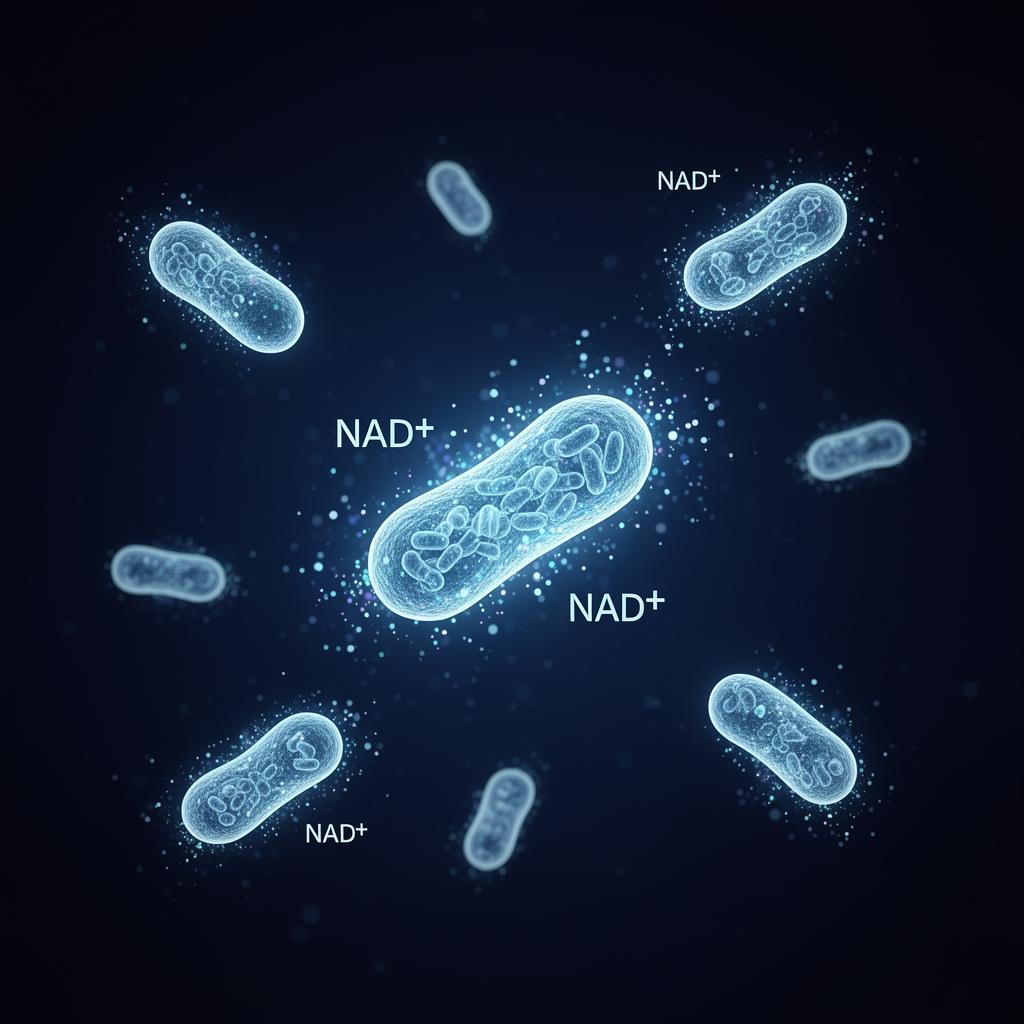
- NAD+ is required for every cell to convert food into ATP — your usable energy currency.
- Intracellular NAD+ can drop to half of youthful levels by age 50.
- Injectable and intranasal NAD+ bypass gut breakdown and meaningfully raise levels.
- Most members feel a clarity and energy lift within 1–2 weeks.
NAD+ (nicotinamide adenine dinucleotide) is a coenzyme inside every cell of your body. It moves electrons across the mitochondrial chain to produce ATP — the molecule your cells actually use as fuel. Without enough NAD+, energy production stalls, DNA repair slows, and the longevity-linked sirtuin enzymes go quiet.
Why levels decline
By age 50, intracellular NAD+ can drop to half of youthful levels. Chronic stress, poor sleep, inflammation, and excessive alcohol all accelerate the decline. The result is the familiar pattern people often write off as 'just getting older' — lower energy, slower recovery, foggier cognition, and a thinner reserve when life gets demanding.
How restorative dosing works
Oral NAD+ is largely broken down in the gut before reaching cells. Subcutaneous injections and intranasal NAD+ bypass that bottleneck and meaningfully raise intracellular pools. Most members feel a clear energy and mental clarity lift within 1–2 weeks, with deeper sleep and faster training recovery building over the first month.
- Mitochondrial ATP production
- DNA repair via PARP enzymes
- Sirtuin activation (longevity pathway)
- Circadian regulation
- Neuroprotection and cognitive clarity
Source: PubMed Central (NIH)
Ready to start your protocol?
A licensed physician reviews your profile and tailors treatment to you — typically within 24 hours.
Explore treatments